
Visiting the sacred shrine of Mata no Madh in the Kutch district of Gujarat is a deeply spiritual experience for millions of devotees across the globe. As the primary seat of Maa Ashapura—the kuldevi (presiding deity) of the Jadeja Rajputs and the revered guardian deity of the entire Kutch region—the temple grounds maintain rigorous traditions, sacred decorum, and spiritual purity.
To ensure a seamless and respectful darshan, every pilgrim visiting matanomadh.in must understand the official Ashapura Mata Temple dress code, temple customs, photography restrictions, and security regulations enforced by the Shree Ashapura Mataji Temple Trust. This ultimate, comprehensive guide covers every aspect of temple decorum, cultural expectations, male and female clothing norms, footwear regulations, and special rules during peak events like Navratri.
Detailed Table of Contents
Note: This master series is structured into complete operational parts to provide the most exhaustive coverage available online.
Table of Contents
Section 1: Spiritual Significance & Sanctity of Mata no Madh
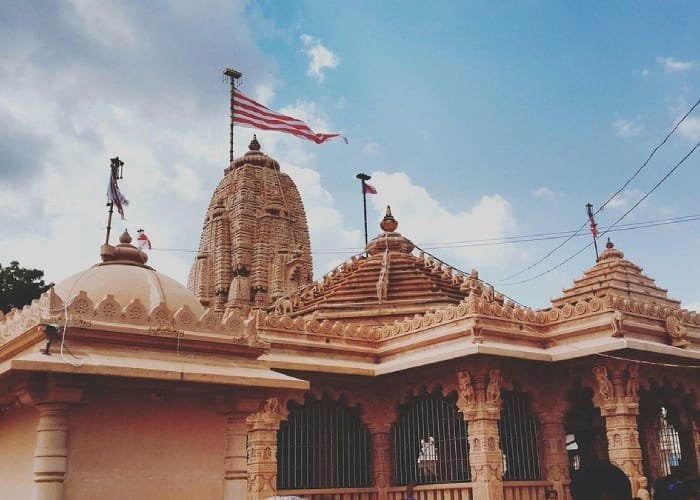
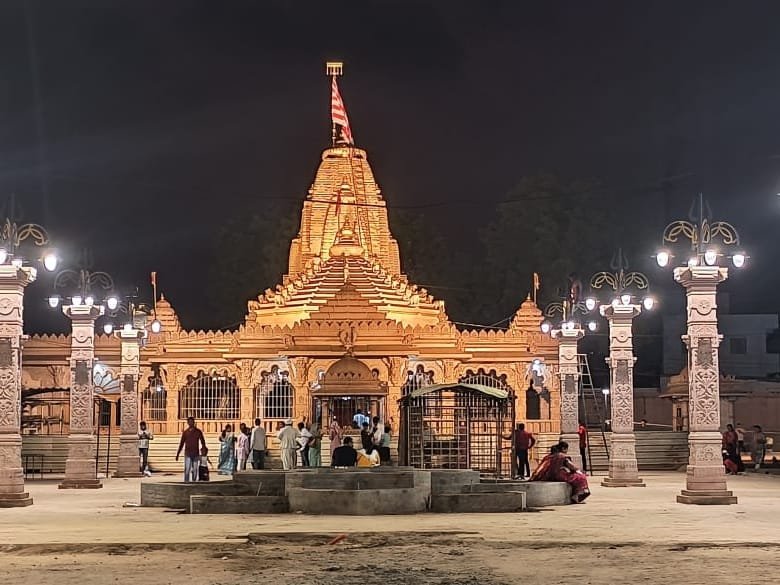
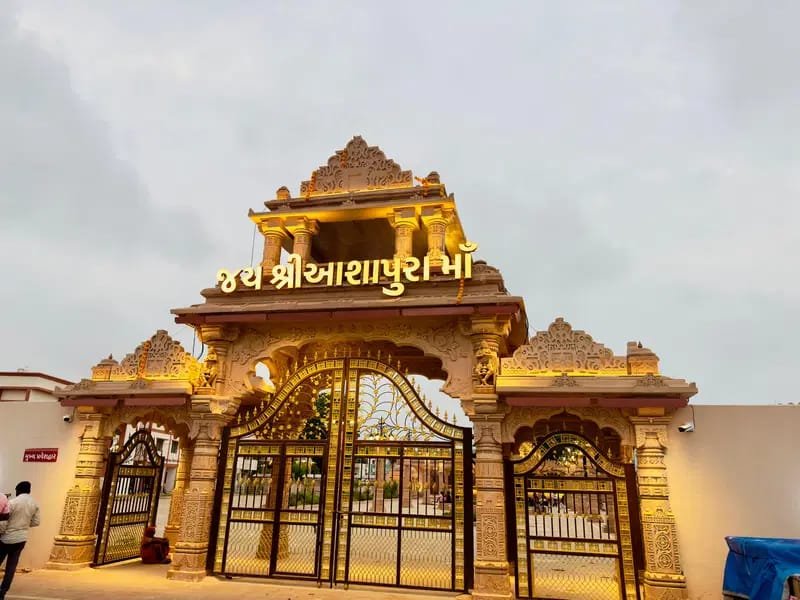
Located approximately 95 km from Bhuj, the historic village of Mata no Madh (also searched as matano madh or mata na madh) houses the 14th-century shrine dedicated to Goddess Ashapura. The name “Ashapura” translates to “The One Who Fulfills Desires.” Devotees travel from across India, often undertaking grueling padayatras (foot pilgrimages) spanning hundreds of kilometers during Navratri, to seek the blessings of the divine mother.
Because the temple operates as an active, living center of Sanatana Dharma and Kshatriya tradition, maintaining spiritual purity (shuddhata) and reverence (mariyada) is non-negotiable. The guidelines detailed on matanomadh.in reflect the official practices observed by the temple trust, traditional priests, and local authorities to protect the sanctity of the garbhagriha (sanctum sanctorum).
Section 2: Official Ashapura Mata Temple Dress Code Rules
To maintain the sacred atmosphere of the shrine, all devotees must adhere to modest, traditional, and culturally appropriate attire. Revealing, western, or tight-fitting clothes are strictly prohibited inside the main temple complex.
Attire Guidelines for Men
- Recommended Attire:
- Dhoti and Kurta: Traditional white or saffron dhoti with a silk or cotton kurta is the preferred attire for performative pujas and main garbhagriha darshan.
- Kurta-Pyjama: Plain, simple cotton or silk kurta paired with standard pyjamas or pyjami.
- Formal Trousers & Shirts: Full-length formal trousers or jeans paired with a collared full or half-sleeve shirt are permissible for general darshan.
- Prohibited Attire for Men:
- Shorts, Bermudas, 3/4th cargo pants, or nightwear.
- Sleeveless t-shirts, vests (baniyan), or ripped/torn denim.
- Clothing with offensive slogans, political prints, or provocative graphics.
Attire Guidelines for Women
- Recommended Attire:
- Saree: Traditional sarees (Saree, Bandhani, or Kutch Embroidery sarees) are highly recommended and culturally celebrated.
- Salwar Kameez / Punjabi Suit: Full-length kameez with dupattas. Covering the head with a dupatta during aarti is considered a sign of deep devotion.
- Lehenga Choli / Chaniya Choli: Traditional Kutchi or Gujarati regional dress, provided it covers the midriff appropriately and maintains modesty.
- Anarkali Suits: Full-length Anarkali suits with ankle coverage and a matching dupatta.
- Prohibited Attire for Women:
- Western wear such as skirts (above ankle length), crop tops, low-cut tops, sleeveless blouses, or tank tops.
- Tight leggings without a long top, shorts, capris, or ripped jeans.
- Transparent, sheer, or net-based fabrics that do not maintain proper coverage.
Quick Attire Quick Reference Chart
| Category | Permissible Attire | Strictly Banned Attire | Head Covering Norms |
| Men | Dhoti-Kurta, Kurta-Pyjama, Full Trousers & Shirt | Shorts, Sleeveless Vests, Ripped Jeans, Bermudas | Optional (Cap/Safa worn during specific rituals) |
| Women | Saree, Salwar Suit with Dupatta, Anarkali, Chaniya Choli | Crop Tops, Mini Skirts, Shorts, Sleeveless Tops, Leggings | Recommended to cover head during Aarti |
| Children (Boys) | Kurta-Pyjama, Full Pants & T-Shirt/Shirt | Shorts, Sleeveless Vests | Optional |
| Children (Girls) | Frocks (below knee), Pavada, Salwar Suit | Short skirts, Sleeveless dresses | Optional |
Section 3: Footwear, Storage, and Cleanliness Protocols
Maintaining physical purity before entering the presence of Maa Ashapura is an ancient necessity. The temple trust has established structured systems to manage footwear and personal belongings.
- Footwear Removal (Juta Ghar):
- All leather items, shoes, sandals, and slippers must be removed before stepping onto the stone podiums leading to the temple complex.
- Free, trust-managed footwear counter (Juta Ghar) is available near the primary entry gates. Devotees receive a token number upon depositing footwear.
- Leather Items Restrictions:
- Belts, wallets, bags, and watch straps made of genuine leather are discouraged inside the inner sanctum. Fabric or synthetic alternatives are recommended.
- Ablution & Cleanliness (Snaan & Shuddhata):
- Pilgrims are encouraged to wash their hands and feet at the designated water taps near the entrance before entering the queue complex.
- Devotees coming directly from long journeys or foot pilgrimages (padayatra) should utilize the trust’s public bathing facilities located adjacent to the main dharamshalas on matanomadh.in premises before joining the queue.
Section 4: Photography, Videography, and Electronic Device Rules
Due to heightened security protocols and the necessity of maintaining religious solemnity, strict media regulations are actively enforced by local police and temple trust security personnel.
- Strict No-Photography Zone:
- Photography and videography are strictly prohibited inside the main temple building, particularly facing the garbhagriha and the idol of Maa Ashapura.
- Drones are completely banned in and around the Mata no Madh village and temple complex without prior written permission from the District Magistrate of Kutch and the Temple Trust.
- Mobile Phone Policy:
- Mobile phones must be switched off or placed on silent mode before entering the main darshan queue.
- Using mobile phones for calling, live-streaming, recording reels, or taking selfies inside the temple hall will result in immediate confiscation of the device by security guards and a potential penalty.
- Locker Facilities:
- Devotees carrying cameras, expensive electronic gear, or large bags must deposit them at the trust counter or secure them in their vehicles/hotel rooms prior to entering the barricaded queue lanes.
Section 5: Temple Timings, Aarti Schedule, and Entry Guidelines
To plan your visit effectively, review the everyday operational schedule of the temple. Timings may be extended during peak festival days.
Daily Temple Operational Timings
- Morning Opening: 05:00 AM
- Afternoon Break / Rajbhog: 01:00 PM to 03:00 PM (Temple doors temporarily close for deity rest and bhog)
- Evening Reopening: 03:00 PM
- Night Closing: 09:00 PM
Daily Aarti Schedule
- Mangla Aarti (Morning): 05:30 AM (Extremely auspicious; devotees line up starting at 04:30 AM)
- Rajbhog Aarti (Noon): 12:00 PM
- Sandhya Aarti (Evening): 07:15 PM (Varies slightly based on sunset timings throughout the year)
Queue Management & Entry Gate Protocols
- General Darshan Queue: Free entry for all devotees. On regular weekdays, total darshan time takes 15 to 30 minutes. On weekends, expect 1 to 2 hours.
- Special Lines: Separate lines are arranged for senior citizens, mothers with infants, and differently-abled individuals during high-crowd occasions.
- Security Checkpoints: Every devotee must pass through metal detectors and physical baggage checks conducted by Gujarat Police personnel stationed at the main entrance.
Legal Disclaimer & Site Navigation
Disclaimer: This portal (matanomadh.in) is an independent, non-official informational website created for the benefit of devotees and travelers. It is not directly affiliated with, operated by, or endorsed by the Shree Ashapura Mataji Temple Trust or the Government of Gujarat. For official government bus bookings, please visit the GSRTC Official Portal.
Section 6: Navratri & Festival Special Guidelines (Chaitra & Ashwin Navratri)
During the sacred festival of Navratri—both Ashwin Navratri (September–October) and Chaitra Navratri (March–April)—the quiet hamlet of Mata no Madh transforms into a massive pilgrimage hub. Over one million devotees undertake padayatra (foot pilgrimages) across Gujarat to seek the blessings of Maa Ashapura. During these peak periods, special security measures and operational rules apply:
- Extended Darshan Timings: The inner sanctum remains open nearly around the clock during core Navratri days, operating from 05:00 AM to 01:00 AM to manage massive crowd volumes.
- Padayatri Transit Camps & Amenities: The Shree Ashapura Mataji Temple Trust sets up mega-camps approximately 1.5 km away from the main complex capable of sheltering thousands of foot pilgrims at a time, providing free meals, medical checkups, and resting mats.
- Queue Protocols: Multiple zig-zag barricade lanes are deployed with designated priority access for senior citizens and parents carrying infants.
- Traditional Ceremonies: Key spiritual highlights include the midnight Havan Yagna on Aso Sud Ashtami (8th night of Ashwin Navratri) and the ceremonial Patotsav ritual performed by the Mahant (Raja Saheb) of the Kapadi order.
Section 7: Accessibility, Senior Citizen, & Differently-Abled (Divyang) Support
The temple trust has instituted measures to support elderly devotees, pregnant women, and pilgrims with mobility challenges:
- Wheelchair Availability: Free wheelchairs are accessible at the main entrance gate upon request at the security cabin.
- Ramp Access: Smooth gradient concrete ramps parallel the main steps leading to the primary darshan hall, allowing uninterrupted wheelchair movement.
- Priority Entry Lanes: During peak weekends and festive periods, security officers route senior citizens (aged 60 and above) and differently-abled individuals through designated priority bypass lines to minimize queue waiting times.
- Medical Aid Posts: A first-aid center staffed with paramedical personnel operates round-the-clock near the main trust office to manage emergency health situations.
Section 8: Offerings, Prasad Protocols, & Puja Booking Guidelines
Devotees wishing to present traditional offerings (bhet) or schedule specialized poojas must adhere to established trust guidelines:
Acceptable & Prohibited Offerings
- Approved Offerings:
- Bandhani Chunari: Traditional red or orange embroidered scarves.
- Dry Fruits & Coconut: Whole, uncracked coconuts and sealed packs of dry fruits.
- Traditional Prasad (Sukhdi & Peda): Freshly made sweets available from the trust-operated prasad counters.
- Silver/Gold Ornaments: Must be handed directly to official trust office counters with a stamped receipt issued.
- Prohibited Items: Home-cooked wet sweets, loose cooked rice, unsealed milk/curd containers, or plastic-wrapped items inside the inner sanctum.
Prasad Distribution & Trust Bhojanalaya
- Mahaprasad Hall: The trust operates a clean, hygienic Bhojanalaya offering traditional, unlimited Gujarati satvik meals (thali) to all pilgrims for a token fee or free of charge during designated festival days.
- Prasad Counters: Standardized, sealed boxes of Sukhdi (wheat-jaggery-ghee sweet) and Laddoo are sold directly from official counters within the temple precinct to ensure purity and quality.
Section 9: How to Reach Mata no Madh (GSRTC Bus, Train, & Road Routes)
Mata no Madh (matanomadh.in) is well connected via a highway network across Kutch and Greater Gujarat.
| From | To | Distance & Mode |
| Bhuj Railway Station / Airport | Mata no Madh Bus Stand | ~95 km via State Hwy |
| Mata no Madh Bus Stand | Ashapura Mata Temple Complex | ~1 km via Local Auto / Walking |
1. By Road (GSRTC State Transport Buses)
- From Bhuj: Regular Gujarat State Road Transport Corporation (GSRTC) express and local buses depart from the Bhuj Central Bus Station every 30 to 45 minutes directly to Mata no Madh. Total travel time is approximately 2 to 2.5 hours.
- Direct Intercity Buses: Direct sleeper and seating buses operate daily from Ahmedabad, Rajkot, Jamnagar, Mundra, and Surat. Devotees can check exact schedules and book seats online via the official portal https://gsrtc.in/.
2. By Train
- Nearest Railway Station: Bhuj Railway Station (Station Code: his/BHUJ), located approximately 95 km away.
- Connectivity: Bhuj is directly connected to major metros including Mumbai (Kutch Express, Sayaji Nagari Express), Delhi (Ala Hazrat Express), and Ahmedabad. Taxis and private cabs are readily available outside Bhuj station.
3. By Air
- Nearest Airport: Bhuj Airport (IATA: BHJ), situated 100 km from the shrine.
- Alternative International Airport: Sardar Vallabhbhai Patel International Airport (AMD) in Ahmedabad (~400 km away), with onward travel via GSRTC sleeper bus or train.
Section 10: Accommodation, Dharamshala Rules, & Local Amenities
The Shree Ashapura Mataji Temple Trust and local private operators offer clean, budget-friendly accommodation for visiting pilgrims.
Trust Dharamshalas & Room Options
- Trust Room Inventory: The temple management maintains multiple residential complexes (including facilities near Chachrakund) featuring shared dormitory halls, basic non-AC rooms, and AC family suites.
- Amenities: Trust rooms provide clean bedding, running water, and 24-hour electricity.
- Booking Mode: Rooms are primarily allocated on a first-come, first-served basis upon arrival at the trust booking office near the main entrance gate. Advance registration is highly recommended during Navratri and summer holiday periods.
Dharamshala Check-In & Conduct Rules
| Rule / Requirement | Description / Details |
| Identity Verification | Every adult guest must produce a valid government-issued photo ID (Aadhaar Card, Passport, or Voter ID). |
| Alcohol & Tobacco Prohibition | Kutch is subject to strict Gujarat state dry laws. Alcohol, non-vegetarian food, and tobacco products are strictly banned in all dharamshalas. |
| Check-In/Check-Out Time | Standard 24-hour check-out cycle applies across all trust-run accommodations. |
| Cleanliness Standard | Guests are expected to keep room premises clean and dispose of waste in designated bins. |
Nearby Sacred Sites & Pilgrimage Circuit
While visiting Mata no Madh (mata na madh), pilgrims can complete their spiritual circuit by visiting secondary shrines in the immediate vicinity:
- Chachra Bhavani & Chachra Kund: Located into a hillside west of Mata no Madh, featuring an ancient stepwell (kund) and the historic Bhopaleshwar Shiva Temple.
- Khatla Bhavani: Perched on a serene hill west of the main village, accessible via donation-funded concrete stairs.
- Hinglaj Mataji Temple: Built by Maharao Shri Deshalji II as a regional substitute for the original shrine in Baluchistan.
- Shitla Mata Temple: Built in 1902 AD (VS 1959), set within a garden complex alongside the Raghunathji and Lakshminarayan temples.
Legal Disclaimer & Site Navigation
Disclaimer: This portal (matanomadh.in) is an independent, non-official informational website created for the benefit of devotees and travelers. It is not directly affiliated with, operated by, or endorsed by the Shree Ashapura Mataji Temple Trust or the Government of Gujarat. For official state bus transport bookings and live schedules, please visit the GSRTC Official Portal.
Section 11: Historical Origins & Architectural Evolution of Mata no Madh
The sacred complex of Mata no Madh (matanomadh.in) possesses a recorded history spanning over a millennium. Scriptural scholars note that references to the self-manifested (Swayambhu) deity appear in ancient texts including the Puranas and the Rudrayamal Tantra.
| Time Period | Historical Milestone / Event | Key Details |
| 9th Century AD | Sacred Mention & Early Veneration | Mentioned in Puranas & Rudrayamal Tantra; venerated by Samma Rajputs |
| 14th–15th Century | Initial Construction | Legend of Devchand Vaniya & construction of initial shrine structure |
| 1819 AD – 1823 AD | Earthquake & Reconstruction | Devastating earthquake damages temple (1819 AD); rebuilt by Sundarji Shivji & Vallabhaji (1823 AD) |
| 2001 AD – Present | Modern Restoration | Bhuj earthquake structural impact followed by complete modern restoration by Temple Trust |
The Legend of Devchand Vaniya
According to local oral history and temple records, around 1,500 years ago, a Karad Baniya (trader) from Marwar named Devchand Vaniya migrated through Kutch. Childless and seeking divine grace, Devchand set up camp during Navratri at the present site, growing wheat germ (Garba) and offering continuous prayers.
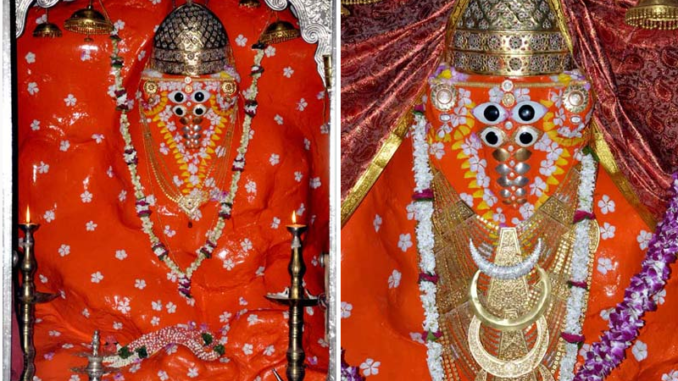
The Goddess appeared in a dream, instructing him to build a temple on the spot and keep its doors closed for six months. However, five months in, overcome by curiosity after hearing divine music from within, Devchand opened the doors early. He beheld the self-manifested idol of Maa Ashapura in a rising, kneeling posture. Because the doors were opened prematurely, the deity remained in her partial, self-risen form. She granted Devchand’s wish for a child and declared that she would fulfill the desires (Asha) of all future devotees, earning her the name Maa Ashapura.
Architectural Restoration & Resiliency
- The 1819 Reconstruction: Following the major earthquake of 1819 that destroyed the ancient stone structure, Sundarji Shivji and Mehta Vallabhaji of the Brahma Kshatriya community rebuilt the temple in 1823 AD.
- Post-2001 Restoration: The 2001 Bhuj earthquake inflicted significant structural damage across Kutch. The temple was subsequently restored utilizing traditional Sompura architectural standards, reinforced with modern engineering to preserve the sanctuary.
- Architectural Features: The main structure is built in classic North Indian Nagara style using local yellow sandstone. The entrance features a tall Deepstambha (pillar of lights) surrounded by relief sculptures of the Ashta Matrikas.
Section 12: Local Shopping, Cultural Handicrafts, & Souvenir Markets
Visiting Mata no Madh (mata na madh) offers pilgrims an opportunity to engage directly with the rural cottage industries and traditional artisans of Kutch. The market square directly outside the main entrance gate features rows of trust-regulated stalls.
Recommended Regional Souvenirs & Purchases
- Kutchi Embroidery & Textiles: Authentic hand-embroidered wall hangings, cushion covers, Bandhani (tie-and-dye) sarees, and Ajrakh block-printed shawls crafted by local artisan collectives.
- Sacred Puja Items: Copper and brass pooja thalis, pure camphor (bhimseni kapoor), raw incense resins (guggal), and sacred Ashapura Mataji photo frames or brass idols.
- Traditional Silver Jewelry: Handcrafted oxidized silver ornaments, bangles, anklets (payal), and nose pins carrying traditional Kutchi motifs.
- Local Dry Food Specialties: Kutchi dried dates (Kharak), roasted snacks, and regional spice blends packaged for travel.
Section 13: Festival Calendar & Best Times to Visit (2026 Target)
While the temple is open year-round, planning your journey based on seasonal weather and ritual calendars is critical for an optimal experience.
| Month / Event | Significance & Crowd Expectation | Weather Profile | Strategic Recommendation |
| October – March (Winter) | Peak Tourist & Pilgrimage Season; Pleasant climate. | Cool (15°C to 28°C) | Ideal time for family visits, senior citizens, and general sightseeing. |
| Ashwin Navratri (October) | Highest annual crowd footfall (~10 lakh pilgrims). | Mild / Warm | Expect long queue times (3–6 hours); advance booking required. |
| Chaitra Navratri (March/April) | Spiritual significance, medium-high crowds. | Warm (28°C to 38°C) | Plan early morning Mangla Darshan to avoid daytime heat. |
| April – June (Summer) | Off-peak season; minimal queues. | Hot (35°C to 44°C) | Hydration essential; temple stone floors get hot by afternoon. |
| July – September (Monsoon) | Low-medium crowds; lush green regional landscape. | Humid / Rainfall | Good for budget travel; check road conditions on highway routes. |
Section 14: Comprehensive Pilgrimage Itinerary Planning
To maximize your visit to Mata no Madh (matanomadh.in) and surrounding tourist sites in Kutch, consider these standardized travel itineraries:
Option 1: 1-Day Express Spiritual Itinerary (From Bhuj)
- 06:00 AM: Depart Bhuj Central Bus Station / Hotel via private vehicle or GSRTC express bus.
- 08:30 AM: Arrive at Mata no Madh; deposit footwear and electronics at official storage counters.
- 09:00 AM: Morning Dhoop Aarti and general darshan of Maa Ashapura inside the garbhagriha.
- 10:30 AM: Explore adjacent shrines: Chachra Bhavani Temple, Chachra Kund, and Hinglaj Mata Temple.
- 12:30 PM: Enjoy traditional Gujarati satvik lunch (Mahaprasad) at the Trust Bhojanalaya.
- 02:00 PM: Shop at the local bazaar for Kutchi handicrafts and prasad.
- 03:30 PM: Depart for Lakhpat Fort (~45 km away) or return to Bhuj.
Option 2: 3-Day Complete Kutch Pilgrimage & Heritage Circuit
- Day 1: Arrive in Bhuj -> Visit Prag Mahal, Aina Mahal -> Evening drive to Mata no Madh -> Night stay at Trust Dharamshala.
- Day 2: Early morning Mangla Aarti (05:00 AM) at Ashapura Mata Temple -> Breakfast -> Drive to Narayan Sarovar & Koteshwar Mahadev Temple -> Evening return to Bhuj.
- Day 3: Day trip to the Great Rann of Kutch (Dhordo / White Desert) -> Return to Bhuj for onward rail or flight connectivity.
Section 15: Essential Emergency Contacts & Trust Helpline Information
Keep these critical operational numbers and local support details stored on your mobile device when traveling to Mata no Madh:
- Temple Trust Office: Shree Ashapura Mataji Temple Trust, Mata no Madh, Taluka Lakhpat, District Kutch, Gujarat – 370625
- District Police Control Room (Bhuj/Kutch): 100 / +91 2832 250100
- GSRTC Bus Inquiry (Bhuj Bus Stand): +91 2832 220025
- Emergency Medical Ambulance: 108
- National Highway Helpline (NH 8A / Regional Highways): 1033
Legal Disclaimer & Site Navigation
Disclaimer: This portal (matanomadh.in) is an independent, non-official informational website created for the benefit of devotees and travelers. It is not directly affiliated with, operated by, or endorsed by the Shree Ashapura Mataji Temple Trust or the Government of Gujarat. For official state bus transport bookings and live schedules, please visit the GSRTC Official Portal.