
Planning a spiritual pilgrimage to the sacred shrine of Maa Ashapura at Mata No Madh requires careful attention to temple etiquette, security protocols, and entry guidelines. As one of the most revered pilgrimage destinations in Kutch, Gujarat, the Ashapura Mata temple accommodates thousands of devotees daily, with numbers swelling significantly during Navratri. To maintain the sanctity of the Garbhagriha (sanctum sanctorum) and ensure the safety of all pilgrims, strict regulations regarding electronic devices, mobile phones, and cameras are enforced by the temple trust and local authorities.
Whether you are arriving via GSRTC bus services (https://gsrtc.in/) or personal transport, understanding the Mata No Madh Temple photography rules before entering the premises will ensure a seamless, hassle-free darshan experience. This comprehensive guide, hosted by [matanomadh.in], provides exhaustive details on phone restrictions, locker availability, security checkpoints, and alternative spots for capturing memorable photographs outside the restricted temple zone.
Table of Contents
Section 1: Official Photography & Mobile Phone Policy Overview (2026)
The Shree Mata No Madh Jagir Trust, in coordination with the Kutch District Police, enforces a strict policy regarding the use of recording devices inside the main temple complex. The sanctuary houses the self-manifested (Swayambhu) deity of Maa Ashapura, and maintaining a serene, prayerful environment is paramount.
Core Policy Directives
- Sanctum Sanctorum Restriction: Photography, videography, and audio recording are strictly prohibited inside the main temple hall, Garbhagriha, and immediate inner courtyard (Pradakshina path).
- Mobile Phone Status: Devotees may carry mobile phones in their pockets or bags into the outer complex, provided the devices are turned off or kept on silent. However, using mobile phones to take photos or record videos anywhere past the main entrance gate (Toran) is strictly forbidden.
- Professional Equipment: DSLRs, mirrorless cameras, video cameras, tripods, monopods, and gimbals are strictly prohibited inside the temple premises without written authorization from the Jagir Trust.
- Drone Restrictions: Flying unmanned aerial vehicles (UAVs) or drones over the temple complex or surrounding village area is banned under local security orders without prior clearance from district authorities and police administration.
| Device Type | Outer Campus Status | Inner Courtyard Status | Sanctum Sanctorum (Garbhagriha) |
| Smartphones / Mobiles | Permitted (Silent Mode) | Strictly Restricted | Prohibited |
| DSLR / Mirrorless Cameras | Prohibited (Deposit at Locker) | Prohibited | Prohibited |
| Video Cameras / Camcorders | Prohibited (Deposit at Locker) | Prohibited | Prohibited |
| Drones / UAVs | Banned (No-Fly Zone) | Banned | Banned |
| Smartwatches (Basic) | Permitted | Permitted | Permitted |
Section 2: Detailed Breakdown of Restricted vs. Permitted Zones
To avoid confusion during your pilgrimage, it is essential to know where electronic devices may be carried and where they must be stowed away. The temple layout is divided into distinct operational zones managed by security personnel.
Restricted Zones (No Photography or Phone Usage Allowed)
- Garbhagriha (Sanctum Sanctorum): The innermost shrine where the idol of Maa Ashapura is situated. Absolute prohibition on all electronics.
- Sabhagruh (Assembly Hall): The covered queuing hall leading to the main shrine. Mobile phones must remain switched off or silent inside pocket/bag.
- Pradakshina Path: The circumambulation route surrounding the main shrine. Vigilant security staff monitor this area for hidden cameras or active screens.
- VIP & Special Entry Corridors: Security guards actively enforce non-photography rules along all fast-track queues and special access passageways.
Permitted / Buffer Zones (General Photography Allowed)
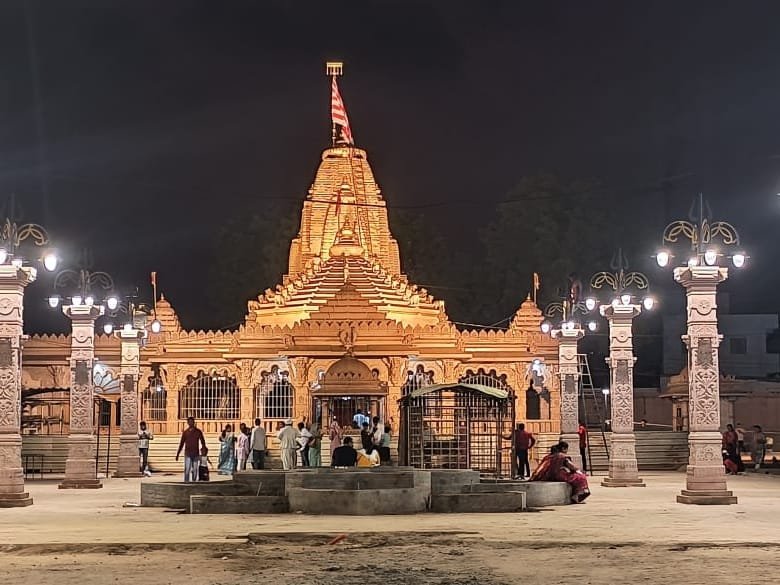
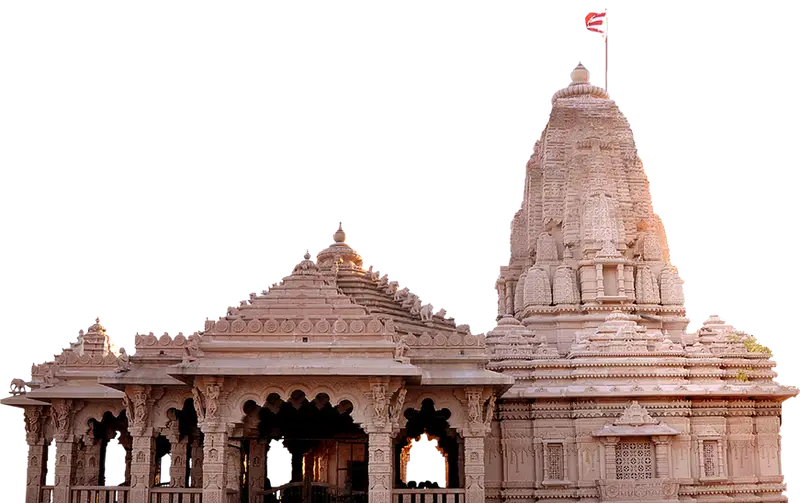
- Main Temple Plaza (Outside Perimeter Gate): Devotees can capture photographs of the exterior temple architecture, entrance gates, and surrounding landscape from outside the main security barrier.
- Chachra Kund Outer Enclosure: Photos of the historic water body can be taken from designated viewing points, provided visitors adhere to safety railings.
- Dharamshala & Dining Areas: Photography is generally permitted within common residential areas, subject to the privacy of other pilgrims.
Section 3: On-Site Storage & Locker Facilities for Electronic Devices
The Shree Mata No Madh Jagir Trust provides dedicated locker facilities to ensure devotees can safely store their belongings before entering the main queue.
Locker Counter Locations and Setup
- Primary Locker Complex: Located adjacent to the main footwear stand (Jota Ghar) near the principal gate of the temple compound.
- Secondary Facility: Situated near the bus drop-off point and main parking enclosure for high-capacity crowd management during peak seasons.
Locker Operating Procedures
| Step | Action | Requirements / Key Notes |
| 1. Arrival | Arrive at Temple Complex | Reach the designated entrance area. |
| 2. Storage Prep | Proceed to Main Footwear & Locker Counter | Head to the consolidated storage station before security. |
| 3. Safe Deposit | Deposit Cameras, Electronics & Large Bags | Hand over prohibited items including mobile phones, cameras, and luggage. |
| 4. Token Receipt | Receive Physical Key / Token Counterfoil | Securely hold the physical claim token or key for retrieval later. |
| 5. Security Screening | Pass Through Security Metal Detector Checkpoint | Go through body scanning and physical security checks. |
| 6. Completion | Complete Darshan & Collect Belongings via Token | Finish your visit and present the token at the counter to retrieve items. |
Key Service Details
- Operating Hours: Open daily from 5:00 AM to 10:00 PM (extended during Navratri festivals).
- Service Charge: Free of charge or token nominal maintenance fee (subject to trust updates).
- Security Standard: Lockers are monitored by CCTV and guarded by trust personnel.
- Important Advice: Keep small valuables, cash, and identification on your person in a small pouch; deposit primary camera bags, laptops, and large gadgets in the lockers.
Section 4: Security Checkpoints, Frisking Protocols & Metal Detectors
Security at Mata No Madh is managed jointly by temple trust security staff and home guards/police personnel assigned by the Kutch district administration.
Security Checkpoint Sequence
- Initial Barrier Check: Security officers perform visual checks for oversized backpacks and prohibited equipment before entry to the queue lines.
- Door-Frame Metal Detectors (DFMD): All devotees pass through metal detector gates at the primary entrance threshold.
- Hand-Held Metal Detector (HHMD) Frisking: Separate queues are maintained for men and women, with female officers conducting frisking in private booths.
- Baggage Scanning / Inspection: Any small handbag allowed past the locker area is manually checked for active recording equipment or restricted items.
Section 5: Legal Penalties, Confiscation Procedures & Temple Ethics
Violating the Mata No Madh Temple photography rules can lead to immediate intervention by security personnel and potential legal ramifications.
Consequences of Non-Compliance
- Immediate Confiscation: Devices caught actively recording or taking photos inside the restricted zone will be confiscated by trust security officers.
- Deletion of Media: Security staff will require the complete erasure of all recorded photos or video files captured inside the restricted zone before returning the device.
- Eviction from Premises: Individuals repeatedly refusing to follow instructions or attempting secret recording will be escorted out of the temple complex immediately.
- Police Escalation: Unauthorized drone operation or unauthorized commercial filming inside protected areas can result in official police complaints under relevant sections of the Bharatiya Nyaya Sanhita (BNS) and local administration decrees.
Section 6: Commercial Photography, Vlogging & Drone Guidelines
While personal mobile snapshots are permitted in the outer open courtyard, commercial photography, news recording, travel blogging, and drone operations are strictly regulated by the Shree Mata No Madh Jagir Trust and the Kutch District Administration.
Official Media Accreditation & Approval Workflow
Journalists, documentary filmmakers, content creators, and travel vloggers seeking to record high-resolution footage or capture professional photographs of the temple architecture must complete a multi-step clearance process:
| Step | Action | Key Details & Requirements |
| 1. Application | Draft Formal Application Letter | Prepare an official request letter printed on media organization letterhead. |
| 2. Submission | Submit Application | File the request with both the Kutch District Information Bureau (Bhuj) and the Jagir Trust Office. |
| 3. Vetting | Security Clearance & Review | Await evaluation and background verification by local police administration. |
| 4. Accreditation | Permit & Badge Issuance | Collect official on-site media badges and written filming approval. |
| 5. On-Site Execution | Conduct Escorted Filming | Carry out media coverage strictly within permitted outer zones under designated escort. |
Drone & Aerial Filming Regulations
Mata No Madh is designated as a sensitive security installation in the Kutch border region. Aerial photography via drones or unmanned aerial vehicles (UAVs) is governed by strict regulations:
- No-Fly Radius: A strict 3 km no-fly radius covers the main temple, Chachra Kund, and adjacent residential quarters.
- Permit Authority: Drones cannot be operated with a standard DGCA licence alone; operators must secure written No Objection Certificates (NOC) from both the Kutch District Collectorate and the District Superintendent of Police (DSP).
- Seizure Warning: Unauthorized drone activity will result in immediate confiscation of the equipment and legal action under regional air-space security orders.
| Media Type | Equipment Allowed | Approval Required? | Approved Filming Locations |
| Personal Smartphone | Handheld Phone | No (Outer Courtyard Only) | Outer Plaza, Village Bazaar, Chachra Kund perimeter |
| Travel Vlogger / Blogger | Gimbal, Mirrorless, Lapel Mic | Yes (Jagir Trust Written Permit) | Outer Courtyard & Designated Viewpoints |
| News / Press Agency | ENG Rigs, Boom Mics | Yes (District Info Bureau + Trust) | Temple Gates, Media Enclosures, Outer Precincts |
| Commercial Film / Doc | Full Production Rigs | Yes (District Magistrate + Trust) | Strict Time-Windowed Access (Non-Peak Hours) |
| Aerial / Drone Operators | UAVs / Drones | Yes (Kutch Police DSP + Collector) | Boundary Exteriors Only (No Overflight of Sanctum) |
Section 7: Special Rules During Chaitra & Bhadrapad Navratri
Navratri is the most auspicious period at Mata No Madh, attracting hundreds of thousands of pilgrims, foot-walkers (Padayatris), and international tourists. To ensure crowd control, high-level security protocols are implemented during both Ashvin (Sharad) and Chaitra Navratri celebrations.
Heightened Festival Security Measures
- Zero-Electronic Zone Expansion: During peak Navratri days, the zero-electronic zone is expanded from the Garbhagriha to include the entire inner assembly hall (Sabhagruh) and queuing barricades.
- Mandatory Phone Power-Down: Security personnel perform spot-checks along the queuing serpentine. Mobile phones must be powered off completely before entering the main queue lines.
- Temporary Locker Enclosures: To accommodate festival crowds, the trust sets up temporary, high-capacity storage counters near the main parking area and Padayatri welcoming camps.
- Enhanced CCTV Vigilance: Over 100 high-definition CCTV cameras actively monitor the entire village and temple corridors, identifying unauthorized recording attempts or security bottlenecks.
Section 8: Approved Photography Points Around Mata No Madh Village
While inner sanctum photography is strictly prohibited, photography enthusiasts and families can capture memorable images at several approved spots around Mata No Madh village:
Top Photography Viewpoints
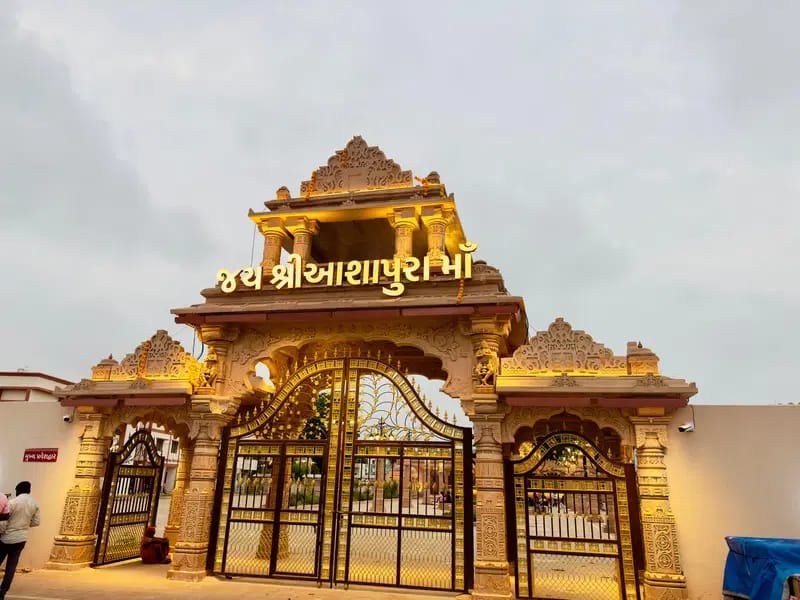
- Main Temple Entrance Gate (Toran): The majestic traditional archway serves as an ideal background for group family photographs before entering the security queue.
- Chachra Kund Perimeter: The historic stepped water tank offers beautiful reflection shots of the surrounding hills, especially during the post-monsoon months.
- Mata No Madh Village Hilltop Lookouts: Promontories surrounding the village provide panoramic views of the entire temple complex, illuminated village bazaars, and surrounding Kutchi terrain.
- Padayatri Welcoming Gates: During Navratri, decorative welcome arches erected along the Bhuj-Mata No Madh highway offer vibrant cultural photo opportunities documenting foot pilgrims arriving at the village borders.
Section 9: Nearby Attractions & Photography Rules Comparison
Pilgrims visiting Mata No Madh often extend their itinerary to nearby historical and geographical landmarks in the Kutch region. Photography rules vary across these locations:
| Destination | Distance from Mata No Madh | Photography Permission | Key Rules & Equipment Guidance |
| Lakhpat Fort | ~45 km North | Fully Allowed | Open public monument; drones require border police clearance due to proximity to the international border. |
| Dhinodhar Hills & Temple | ~30 km East | Allowed (Exterior) | Photography permitted outdoors; restricted inside the main Gorakhnath shrine enclosure. |
| Narayan Sarovar Shrine | ~115 km West | Restricted (Sanctum) | Mobile snapshots allowed in outer courtyard; no photography inside sacred temple halls. |
| Koteshwar Mahadev Temple | ~120 km West | Restricted (Sanctum) | Sunset photography allowed from coast walls; strict non-camera rules inside the main Shiva shrine. |
Section 10: Step-by-Step Pilgrim Checklist for Smooth Entry
Follow this practical checklist to ensure an efficient, trouble-free visit to the Maa Ashapura Temple:
- Leave High-Value Camera Gear in Vehicle/Hotel: If you are traveling by personal car or staying in a local Dharamshala, leave heavy camera lenses, tripods, and laptops secure in your room.
- Use Official Locker Counter: If carrying a camera bag or large backpack, deposit it at the official trust locker near the footwear stand before entering the security serpentine.
- Switch Smartphone to Silent/Off: Turn off your mobile phone completely before stepping past the main entrance portal (Toran).
- Keep Belongings Minimal: Carry only essential items—wallet, ID proof, small water bottle, and offerings (prasad)—to speed through metal detector frisking points.
- Respect Security Directives: Always comply with instructions given by security personnel, home guards, and trust volunteers to maintain queue movement and sanctum dignity.
Section 11: Comprehensive Transport & Route Access to Mata No Madh (2026)
Reaching Mata No Madh in Kutch involves well-established road networks connecting major transit hubs across Gujarat. Whether arriving by state-run transport, private taxi, or personal vehicle, understanding route logistics ensures a stress-free journey.
Route Logistics & Travel Modes
- GSRTC Public Bus Network: The Gujarat State Road Transport Corporation (GSRTC) operates frequent Express and Gurjarnagri direct buses connecting Bhuj Bus Station to Mata No Madh (~95 km / 2 to 2.5 hours). Daily long-distance sleeper and seater services also run from major cities including Ahmedabad, Rajkot, Jamnagar, and Vadodara. Schedules and online bookings can be accessed directly on GSRTC Official Portal.
- Private Taxis & Rental Vehicles: Taxis are readily available from Bhuj Railway Station and Bhuj Airport (BHJ). Driving via the State Highway 89 (Bhuj–Nakhatrana–Lakhpat Highway) provides scenic views across western Kutch.
- Foot Pilgrimages (Padayatra): During the Ashvin Navratri festival, tens of thousands of devotees walk hundreds of kilometers along dedicated highway pedestrian lanes toward Mata No Madh. Refreshment camps and medical aid stations line the entire route.
| Transit Origin | Distance to Temple | Recommended Route | Travel Time (Approx.) | Key Transport Service |
| Bhuj | ~95 km | SH-89 via Nakhatrana | 2 Hours | Hourly GSRTC Express Buses / Private Taxis |
| Gandhidham | ~150 km | NH-41 & SH-89 via Bhuj | 3.5 Hours | Express GSRTC / Private Sleeper Coaches |
| Ahmedabad | ~430 km | NH-947 & SH-89 via Viramgam/Maliya | 8 to 9 Hours | Overnight GSRTC / Private AC Sleeper Buses |
| Rajkot | ~320 km | NH-27 & SH-89 via Morbi/Bhuj | 6 to 7 Hours | Daily Intercity Buses & Train + Taxi via Bhuj |
Section 12: Accommodation & Dharamshala Infrastructure
The Shree Mata No Madh Jagir Trust along with private local hospitality providers offers clean, affordable, and safe staying arrangements for pilgrims.
Accommodations Available
- Trust Dharamshalas: Located adjacent to the main shrine, these facilities offer simple room accommodations and large community halls for large pilgrim parties. Rooms feature basic amenities with option for non-AC or AC blocks.
- Private Guest Houses & Hotels: Surrounding the main market area are private hotels and lodge facilities providing basic modern conveniences.
- Mata No Madh Annakshetra (Community Kitchen): Free wholesome vegetarian meal (Prasad) is served daily to all visiting pilgrims at the trust-run dining hall (Bhojanalaya).
Section 13: Timings, Rituals & Aarti Schedule (2026)
To coordinate your temple visit and avoid phone usage violations during high-crowd times, plan your arrival around the official daily Aarti (prayer) and Darshan hours.
| Time | Event / Action | Key Details |
| 05:00 AM | Gate Opening & Morning Mangla Aarti | Temple gates open for early morning prayers and initial rituals. |
| 06:00 AM – 12:00 PM | Morning Public Darshan | Open hours for general public visiting and worship. |
| 12:00 PM – 01:00 PM | Afternoon Rajbhog Aarti | Ritual offering and brief mid-day closure/break. |
| 01:00 PM – 07:00 PM | Evening Public Darshan | Resume general public visiting and worship hours. |
| 07:15 PM – 08:00 PM | Evening Sandhya Aarti | Evening prayer ceremony and lighting rituals. |
| 09:30 PM | Temple Closure | Temple closes for the night. |
Section 14: Frequently Asked Questions (FAQ)
Q1: Are mobile phones completely banned inside Mata No Madh Temple?
A: Mobile phones are not completely banned from being brought onto temple grounds, but their use for photography, videography, or calls is strictly prohibited inside the inner assembly hall (Sabhagruh) and sanctum sanctorum (Garbhagriha). Phones must be switched off or placed on silent in outer precincts.
Q2: Is there a safe place to store my camera and mobile phone at Mata No Madh?
A: Yes. The Jagir Trust operates a free locker counter near the footwear stand (Jota Ghar) at the main entrance gate where camera equipment, smartphones, and bags can be safely deposited before entering security queues.
Q3: Can I fly a drone near the temple to shoot travel videos?
A: No. Mata No Madh is located in a border district (Kutch) and the temple complex is a designated sensitive security zone. Drone flights are strictly banned within a 3 km radius without explicit written permission from the District Magistrate and Kutch Superintendent of Police.
Q4: Are there separate locker counters during Navratri?
A: Yes. Due to massive pilgrim surges during Chaitra and Ashvin Navratri, temporary high-capacity locker enclosures and mobile storage stalls are setup near the central parking grounds and highway entry gates.
Section 15: Final Summary & Master Pilgrim Takeaways
Visiting the revered shrine of Maa Ashapura at Mata No Madh is a deeply fulfilling spiritual journey. By observing the temple’s rules regarding electronic devices and photography, you contribute to maintaining the sanctity, safety, and tranquil environment of this historic pilgrimage site.
- Respect Sacred Spaces: Turn off mobile devices before entering main temple corridors.
- Utilize Trust Facilities: Store heavy recording equipment at designated locker stands before joining queues.
- Enjoy Outdoor Views: Limit family photography to designated exterior plaza areas and historical sites like Chachra Kund.
- Plan Transport Ahead: Rely on verified transit options like GSRTC Bus Services for safe travel across Kutch.